
geopoliticsoil-marketsemerging-marketsmacro
Iran Turns Back Tankers, Locks Strait of Hormuz Again
By Zirdle Research Team
Loading...
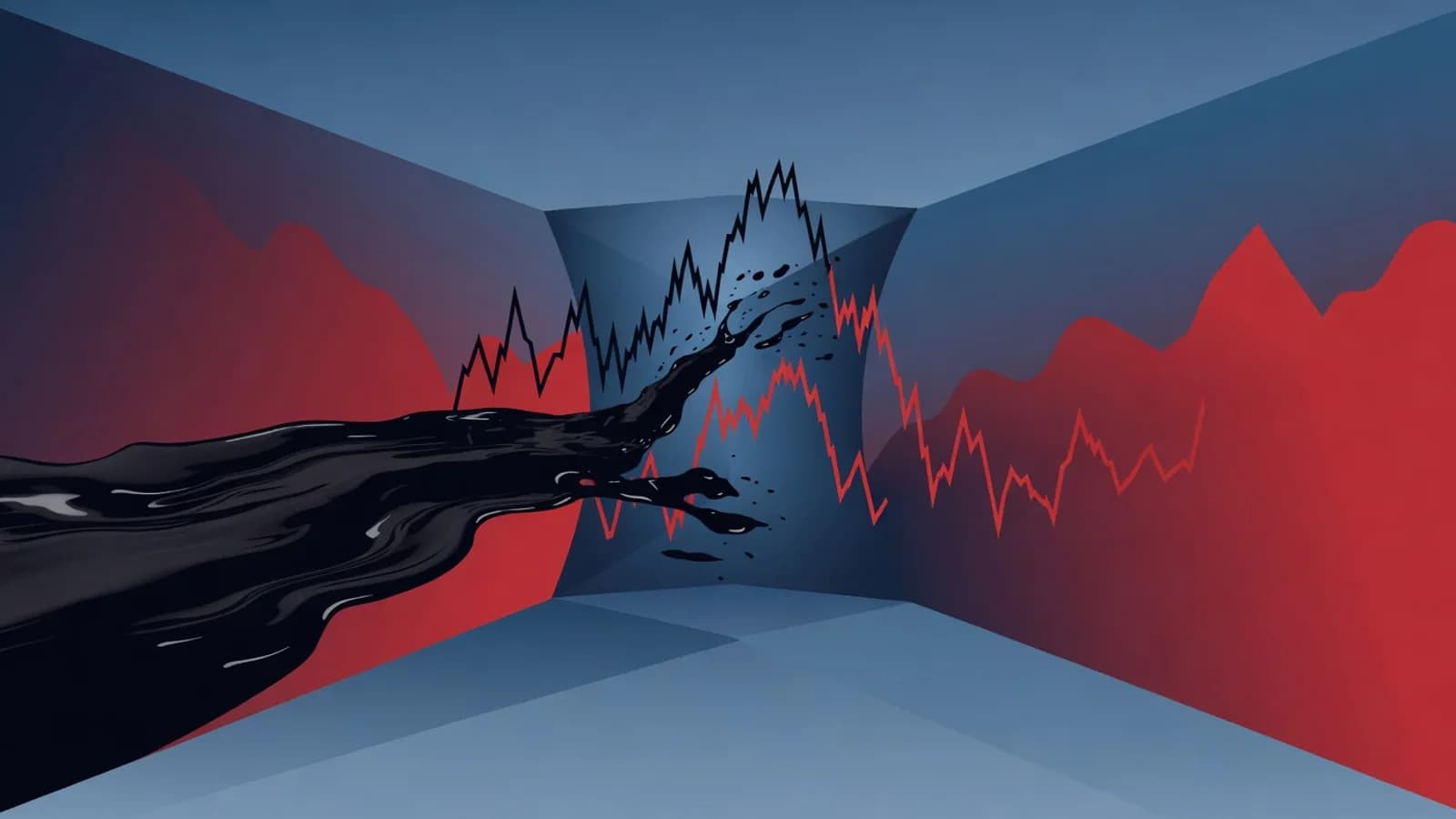
Two tankers turned back this morning. Iran made sure they did not pass the Strait of Hormuz.[1] Sanctioned vessels both. Bloomberg trackers showed them reversing before clearing Iranian waters. Iran's Revolutionary Guard Navy issued the orders. They reasserted full control less than 24 hours after a brief partial reopening.[2][3] Tehran cited US breaches of a shaky ceasefire on its port blockade.[4] Gunboats fired warnings at intruders. Two ships reported hits from the barrage.[5][6] Only two vessels slipped through eastbound on Sunday.[2] The strait handles one-fifth of seaborne oil trade. Roughly 20 million barrels daily under normal conditions. This shutdown marks the first zero-tanker day in history.[post:0] An Indian-flagged tanker, Bhagya Lakshmi, got explicit orders to abort passage.[web:67] US forces have repelled 23 Iran-linked ships since their blockade began last week.[web:37] Talks brokered via Pakistan stalled. No date set for US-Iran meetings.[3] President Trump called for negotiators. Tehran sees deception and preps for surprise strikes.[post:8] Oil markets whipsawed. Brent plunged 10% Friday on false reopen hopes. Now it rebounds above $95. Term structure in backwardation signals tight near-term supply. Volatility index for crude futures hits levels unseen since 2022. This chokepoint crunch exposes the fragility of global energy flows. Pipelines bypass some Gulf exports. But tankers dominate. China and India gulp most of it. Any prolongation spikes import costs worldwide. Iran pays too. Pre-crisis oil sales fetched $139 million daily at elevated prices. Blockade and counter-closure now strand those barrels. Tehran's budget cracks under the strain. Sanctions already bite. This adds urgency to their leverage play. ## Credit Strain Hits EM Oil Importers Emerging markets guzzle Gulf crude. India sources 85% of its oil imports via Hormuz routes. Pakistan and Bangladesh lean heavy too. Turkey routes some via pipelines but still tanker-dependent. Higher Brent bills drain forex reserves. Fiscal gaps yawn wider. Sovereign credit markets feel it first. EM spreads widened modestly since the March flare-up. Oil-heavy names like Turkey and South Africa outpaced the index. India CDS jumped 30bps last week alone. A prolonged shutdown could push 50-100bps more across the basket. Twin deficits amplify the pain. Current account gaps swell with pricier imports. Budgets divert funds from capex to fuel subsidies. Retail investors track EMBI indices. Finance pros eye CDS curves. Steepening term spreads signal rollover risks. EM corporates tied to energy follow suit. Refiners and airlines issue more paper at wider yields. Liquidity dries as US rates stay high. Fed funds at 4.75%. No cuts soon amid inflation rebound. India summoned Iran's envoy over the attacks. New Delhi imports 5 million bpd. A $10 Brent rise costs $18 billion yearly. Reserves cover 11 months now. But volatility erodes buffers. Similar math for Indonesia and Philippines. They import via Malacca too. But Hormuz sets the price tone. ## Algo Opportunities in Oil Chaos Brent futures deliver VIX-style swings. Implied vol tops 50%. Realised hits 40% weekly. Algos thrive here. Momentum chases breakouts. Mean-reversion scalps fat tails. Straddles pay on uncertainty. Calendar spreads front the backwardation. Options skew bullish. Calls embed the risk premium. Machine learning models retrain on crisis data. Regime shifts favour adaptive strats. High-frequency edges sharpen on tick liquidity. Retail can proxy via ETFs. But pros layer futures. Staking yields look tame next to this. Crypto correlations rise too. Oil shocks historically lift bitcoin as fiat hedge. Still, energy rules the week. Iran's gambit tests resolve. US naval presence grows. Ceasefire holds day 11.[post:6] Broader war simmers. Israel eyes next moves. Watch tanker transits hourly via Kpler or Bloomberg. Confirm any Pakistan-mediated talk dates. Track IRGC ship positions. Brent contango flip signals de-escalation. EM CDS auctions next week gauge credit flight.